Asparagus
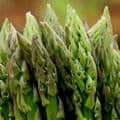
Asparagus (Asparagus officinalis) are vegetables with long stems crested by premature flower buds. Asparagus can range in colors from green, yellow, purple, and white.

Health benefits of Asparagus
- Increased Protection from Bacterial and Viral Infections
- Increased Immune Function
- Reduced Cancer Risk
- Reduced Risk of Colon Cancer
- Protection Against Heart Disease
- Regulation of Blood Sugar and Insulin Dependence
- Slowing the progression of AIDS
- Slowing Aging
- DNA Repair and Protection
- Protection Against Dementia
- Alleviation of Cardiovascular Disease
- Alleviation of Hypertension (High Blood Pressure)
- Promoted Eye Health
- Alzheimer's Protection
- Osteoporosis Protection
- Stroke Prevention
- Reduced Risk of Type II Diabetes
- Reduced Frequency of Migraine Headaches
- Alleviation of Premenstrual Syndrome (PMS)
- Antioxidant Protection
- Prevention of Epileptic Seizures
- Alleviation of the Common Cold
- Prevention of Alopecia (Spot Baldness)
- Alleviation of Inflammation
Some of these health benefits come from nutrients concentrated in this food, and may not be effects of the food itself.
How to choose Asparagus
Look for firm vibrant stems that are not too thick. Avoid any asparagus that looks wilted or flimsy.
How to store Asparagus
Asparagus should be stored in a plastic bag in the fridge. The stems can be wrapped in a damp cloth or paper towel. Stored this way asparagus will last 7-10 days.
Climate and origin
Asparagus was cultivated by the Romans and still grows wild in Europe, Asia, and North West Africa. Asparagus is a hardy plant that can grow in cold temperate climates. (Zones 3-8 in the U.S.)
Taste
Asparagus has a nutty flavor with a crunchy texture. Avoid overcooking asparagus so it does not become mushy.
Miscellaneous information
Some people may experience a strong odor in their urine after eating asparagus. This is because of an inability to break down an enzyme called asparagin, which is completely harmless.
Similar tasting produce
Nutrition facts
| Nutrition Facts | |||
|---|---|---|---|
| Serving Size | |||
| 100 grams (100g) | |||
| Calories | 20 | ||
| % Daily Value * | |||
| Total Fat 0.12g | 0% | ||
| Saturated Fat 0.04g | 0% | ||
| Trans Fat 0g | |||
| Cholesterol 0mg | 0% | ||
| Sodium 2mg | 0% | ||
| Total Carbohydrate 3.9g | 1% | ||
| Dietary Fiber 2.1g | 8% | ||
| Total Sugars 1.9g | 4% | ||
| Includes --g Added Sugars | --% | ||
| Protein 2.2g | 4% | ||
| Vitamin C 5.6mg | 6% | ||
| Vitamin D 0mcg | 0% | ||
| Iron 2.1mg | 12% | ||
| Calcium 24mg | 2% | ||
| Potassium 202mg | 4% | ||
| Phosphorus 52mg | 4% | ||
| *The % Daily Value (DV) tells you how much a nutrient in a serving of food contributes to a daily diet. 2,000 calories a day is used for general nutrition advice. | |||