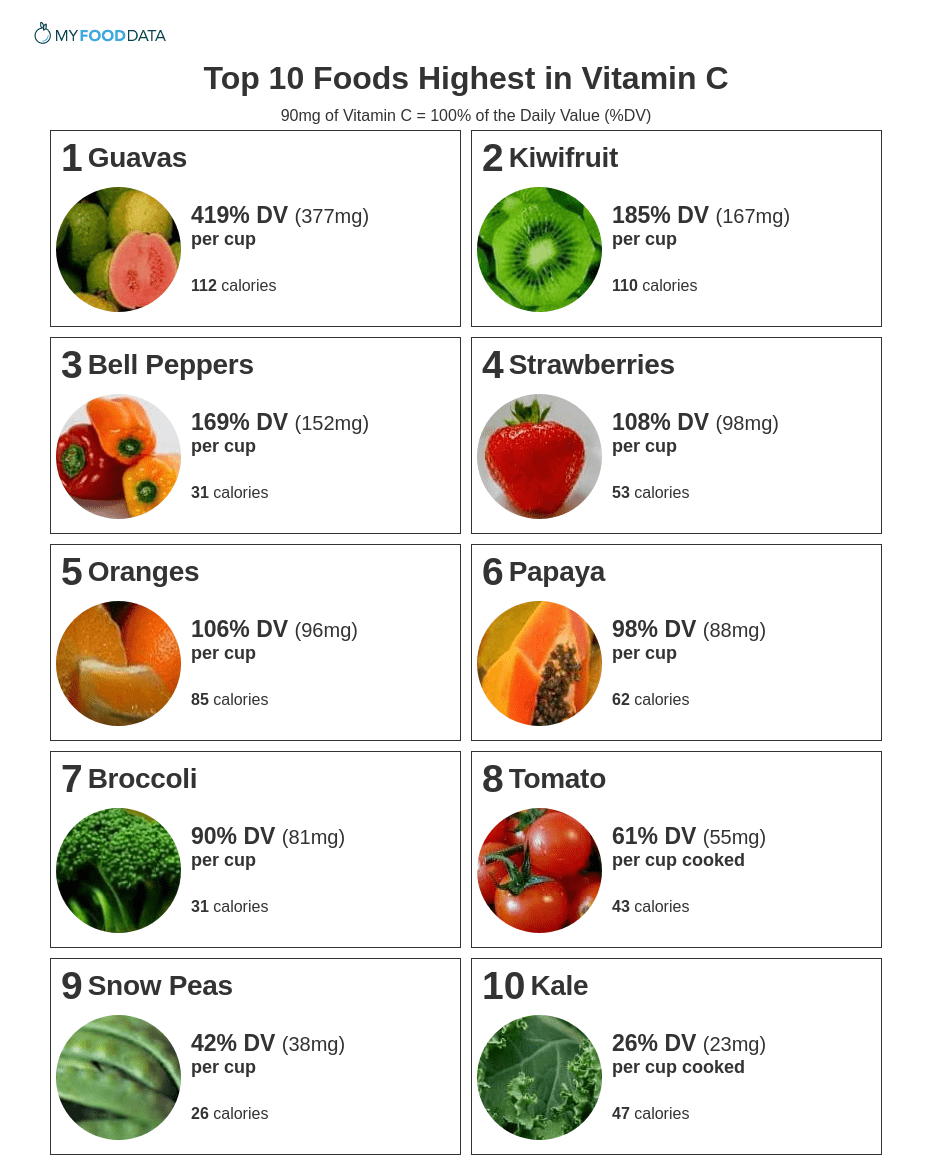
Top 10 Foods Highest in Vitamin C


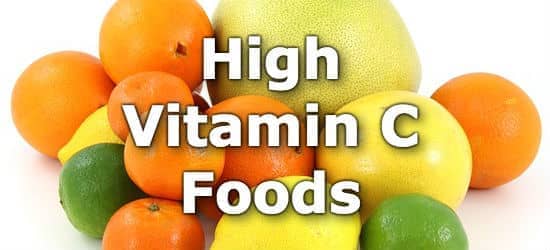
Vitamin C is an essential nutrient required for the maintenance of many body tissues, including skin, blood vessels, bones, and cartilage. Vitamin C is also essential for wound healing. (1,2)
Vitamin C helps protect cells against oxidative stress, which in turn provides protection against certain diseases, including cancer. (1,3)
Vitamin C, like zinc and vitamin A, also helps support your immune system. (4,5,6)
High vitamin C foods include guavas, bell peppers, kiwifruit, strawberries, oranges, papayas, broccoli, tomatoes, kale, and snow peas. The current daily value (DV) for vitamin C is 90mg. (7)
Below is a list of high vitamin C foods ranked by a common serving size. Use the nutrient ranking of over 200 foods high in vitamin C to see the foods highest in vitamin C by nutrient density (per gram), or see rankings of fruits high in vitamin C, and vegetables high in vitamin C.
High Vitamin C Foods
 1. Guavas+ Add
Vitamin C
per CupVitamin C
per 100gVitamin C
per 200 Calories377mg
(419% DV)228mg
(254% DV)671mg
(746% DV)See all fruits high in vitamin C.
 2. Kiwifruit+ Add
Vitamin C
per CupVitamin C
per 100gVitamin C
per 200 Calories167mg
(185% DV)93mg
(103% DV)304mg
(338% DV) 3. Bell Peppers+ Add
Vitamin C
per CupVitamin C
per 100gVitamin C
per 200 Calories152mg
(169% DV)128mg
(142% DV)982mg
(1091% DV)Red bell peppers provide around 50% more vitamin C than green bell peppers. View the complete comparison of green vs red bell peppers.
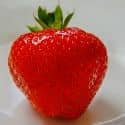 4. Strawberries+ Add
Vitamin C
per CupVitamin C
per 100gVitamin C
per 200 Calories98mg
(108% DV)59mg
(65% DV)368mg
(408% DV)More Berries High in Vitamin C
- 36% DV in 1 cup of raspberries
- 34% DV in 1 cup of blackberries
- 16% DV in 1 cup of blueberries
See all fruits high in vitamin C.
 5. Oranges+ Add
Vitamin C
per CupVitamin C
per 100gVitamin C
per 200 Calories96mg
(106% DV)53mg
(59% DV)226mg
(252% DV)More Citrus Fruit High in Vitamin C
- 413% DV in 1 pomelo
- 98% DV in 1 grapefruit
- 40% DV in 1 clementine
- 34% DV in 1 lemon
 6. Papaya+ Add
Vitamin C
per CupVitamin C
per 100gVitamin C
per 200 Calories88mg
(98% DV)61mg
(68% DV)283mg
(315% DV)More Tropical Fruits High in Vitamin C
- 88% DV in 1 cup of pineapple
- 72% DV in 1 cup of cantaloupe melon
- 67% DV in 1 cup of sliced mango
- 34% DV in 1 cup of honeydew melon
See all fruits high in vitamin C.
 7. Broccoli+ Add
Vitamin C
per CupVitamin C
per 100gVitamin C
per 200 Calories81mg
(90% DV)89mg
(99% DV)525mg
(583% DV)More Brassica Vegetables High in Vitamin C
- 107% DV in 1 cup of brussels sprouts
- 61% DV in 1 cup of cauliflower
- 63% DV in 1 cup of cabbage
See all vegetables high in vitamin C.
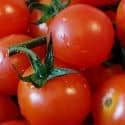 8. Tomato+ Add
Vitamin C
per Cup CookedVitamin C
per 100gVitamin C
per 200 Calories55mg
(61% DV)23mg
(25% DV)253mg
(281% DV) 9. Snow Peas+ Add
Vitamin C
per CupVitamin C
per 100gVitamin C
per 200 Calories38mg
(42% DV)60mg
(67% DV)286mg
(317% DV) 10. Kale+ Add
Vitamin C
per Cup CookedVitamin C
per 100gVitamin C
per 200 Calories23mg
(26% DV)18mg
(20% DV)99mg
(110% DV)More Green Leafy Vegetables High in Vitamin C
- 44% DV in 1 cup of turnip greens
- 35% DV in 1 cup of Swiss chard
- 20% DV in 1 cup of spinach
See all vegetables high in vitamin C.
 Next ➞
Printable One Page Sheet
Vitamin C Foods by Nutrient Density (Vitamin C per Gram)
| Food | Serving | Vitamin C |
|---|---|---|
| 1. Acerola Cherry+ | 100 grams | 1864% DV (1678mg) |
| 2. Dried Herbs (Coriander)+ | 100 grams | 630% DV (567mg) |
| 3. Rose Hips+ | 100 grams | 473% DV (426mg) |
| 4. Guavas+ | 100 grams | 254% DV (228mg) |
| 5. Sweet Yellow Peppers+ | 100 grams | 204% DV (184mg) |
| 6. Black Currants+ | 100 grams | 201% DV (181mg) |
| 7. Thyme+ | 100 grams | 178% DV (160mg) |
| 8. Red Chilies+ | 100 grams | 160% DV (144mg) |
| 9. Scotch Kale+ | 100 grams | 144% DV (130mg) |
| 10. Kiwifruit+ | 100 grams | 103% DV (93mg) |
Other Vitamin C Rich Foods
| Food | Serving | Vitamin C |
|---|---|---|
| 1. Litchis (Lychees)+ | per cup | 151% DV (136mg) |
| 2. Green Chillies+ | 1 pepper | 121% DV (109mg) |
| 3. Kohlrabi+ | 1 cup | 93% DV (84mg) |
| 4. Parsley+ | per cup | 89% DV (80mg) |
| 5. Orange Juice+ | per 8oz cup | 80% DV (72mg) |
| 6. Bitter Melon+ | per cup | 45% DV (41mg) |
| 7. Starfruit (Carambola)+ | per cup | 41% DV (37mg) |
| 8. Garden Cress+ | 1 cup | 38% DV (35mg) |
| 9. Jalapeno Peppers+ | 1 pepper | 18% DV (17mg) |
| 10. Saffron+ | 1 tbsp | 2% DV (2mg) |
Vitamin C Requirements By Age and Gender
The recommended daily allowance (RDA) for Vitamin C ranges from 15mg to 120mg per day. The daily value for vitamin C is 90mg per day. (7)
| Life Stage | RDA |
|---|---|
| Infants* | |
| 0-6 months old | 40mg |
| 7-12 months old | 50mg |
| Children | |
| 1-3 years old | 15mg |
| 4-8 years old | 25mg |
| Males | |
| 9-13 years old | 45mg |
| 14-18 years old | 75mg |
| 19-50 years old | 90mg |
| 50+ years old | 90mg |
| Females | |
| 9-13 years old | 45mg |
| 14-18 years old | 65mg |
| 19-50 years old | 75mg |
| 50+ years old | 75mg |
| Pregnancy | |
| 14-18 years old | 80mg |
| 18+ years old | 85mg |
| Lactation | |
| 14-18 years old | 115mg |
| 18+ years old | 120mg |
Source: Dietary Reference Intakes for Vitamin C.
Frequently Asked Questions About Vitamin C
Which food has the most vitamin C?
Among commonly eaten foods, guavas and bell peppers rank near the top by serving size. By nutrient density (per 100g), acerola cherries, rose hips, and guavas are among the highest. For more see the ranking of vitamin C foods per 100 grams, and per 200 calories.
Does cooking destroy vitamin C?
Yes. Vitamin C is water-soluble and heat-sensitive, so boiling and long cooking can cause large losses. In broccoli, boiling and steaming have been shown to reduce vitamin C substantially, while some gentler methods retain more. (8, 9)
To keep more vitamin C: steam or microwave briefly, use less water, shorten cook time, and eat more fruits and peppers raw when you can.
What are the symptoms of vitamin C deficiency?
Low vitamin C can cause fatigue, slow wound healing, bleeding or swollen gums, easy bruising, joint pain, and rough or dry skin. Severe deficiency leads to scurvy. Symptoms can appear within weeks of very low intake because the body stores only a limited amount. (10, 11)
Can you get too much vitamin C?
For adults, the Tolerable Upper Intake Level (UL) is 2,000mg per day from food and supplements combined. Higher intakes are mainly linked to digestive upset (nausea, diarrhea, stomach cramps). People with a history of kidney stones or certain medical conditions should talk with a clinician before using high-dose supplements. (7, 12)
Is it better to get vitamin C from food or supplements?
Most people can meet needs from food. Fruits and vegetables also provide fiber and other nutrients that pills do not. Supplements can help if intake is low, appetite is limited, or a clinician recommends them. Vitamin C from food and from supplements is absorbed in a similar way at typical doses. (12, 13)
Does vitamin C help you absorb iron?
Yes. Vitamin C increases absorption of non-heme iron (the iron in plant foods). Pairing vitamin C–rich foods—such as peppers, citrus, strawberries, or broccoli—with beans, lentils, spinach, or fortified grains can help raise iron uptake. About 50mg of vitamin C with a meal has been shown to meaningfully improve non-heme iron absorption. (14) See also our list of high iron foods.
High Vitamin C Day Plan with 825mg Vitamin C (917% DV)
From the Nutrient Ranking Tool
Use the ranking tool links below to select foods and create your own food list to share or print.
- Foods High in Vitamin C
- Foods Low in Vitamin C
- Vegetables High in Vitamin C
- Fruits High in Vitamin C
- Vegetarian Foods High in Vitamin C
- Nuts High in Vitamin C
- Beans High in Vitamin C
- Dairy High in Vitamin C
- Breakfast Cereals High in Vitamin C
- Fast Foods High in Vitamin C
View more nutrients with the nutrient ranking tool, or see ratios with the nutrient ratio tool.
Related
Data Sources and References
- Mitochondria, Energy and Cancer: The Relationship with Ascorbic Acid Journal of orthomolecular medicine : official journal of the Academy of Orthomolecular Medicine. PMID: 23565030.
- Wang K, Jiang H, Li W, Qiang M, Dong T, Li H. Role of Vitamin C in Skin Diseases Front Physiol. 2018 Jul 4:9:819. PMID: 30022952.
- Kang JS, Cho D, Kim YI, Hahm E, Yang Y, Kim D, Hur D, Park H, Bang S, Hwang YI, Lee WJ. L-ascorbic acid (vitamin C) induces the apoptosis of B16 murine melanoma cells via a caspase-8-independent pathway Cancer Immunol Immunother. 2003 Nov;52(11):693-8. PMID: 12827307.
- Vitamin C and Immune Function Nutrients. PMID: 29099763.
- Semba RD. The role of vitamin A and related retinoids in immune function Nutr Rev. 1998 Jan;56(1 Pt 2):S38-48. PMID: 9481123.
- Zinc in Human Health: Effect of Zinc on Immune Cells Molecular Medicine. PMID: 18385818.
- U.S.FDA - Daily Value on the New Nutrition and Supplement Facts Labels
- Yuan GF, Sun B, Yuan J, Wang QM. Effects of different cooking methods on health-promoting compounds of broccoli J Zhejiang Univ Sci B. 2009 Aug;10(8):580-8. PMID: 19650196.
- Galgano F, Favati F, Caruso M, Pietrafesa A, Natella S. The influence of processing and preservation on the retention of health-promoting compounds in broccoli J Food Sci. 2007 Mar;72(2):S130-5. PMID: 17995854.
- Vitamin C Deficiency StatPearls Publishing. Ann Nutr Metab. 2012; 61(3):259-64. Epub 2012 Nov 26. PMID: 29630239.
- Scurvy: Rediscovering a Forgotten Disease Diseases. PMID: 37366866.
- Factors Affecting Vitamin C Status and Prevalence of Deficiency: A Global Health Perspective Nutrients. PMID: 32630245.
- Hallberg L, Brune M, Rossander L. Effect of ascorbic acid on iron absorption from different types of meals. Studies with ascorbic-acid-rich foods and synthetic ascorbic acid given in different amounts with different meals Hum Nutr Appl Nutr. 1986 Apr;40(2):97-113. PMID: 3700141.
Simplify Nutrition Tracking with MyFoodData!
Speedy Tools and Detailed Data FREEEasily analyze your meals to find the best foods for your goals.
✅ Use our recipe nutrition calculator and nutrition comparison tool.
✅ Access expert nutrition data tools and in-depth articles.
✅ Log foods and organize your recipes with a free account.