Peas
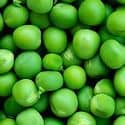
Peas (Pisum sativum) aka: Garden Peas, English Peas, Snap Peas, and Snow Peas, are long light green pods with multiple inner seeds. The round green pea seeds are also commonly sold without their pods.
Health benefits of Peas
- Increased Protection from Bacterial and Viral Infections
- Increased Immune Function
- Reduced Cancer Risk
- Reduced Risk of Colon Cancer
- Protection Against Heart Disease
- Regulation of Blood Sugar and Insulin Dependence
- Slowing the progression of AIDS
- Slowing Aging
- DNA Repair and Protection
- Protection Against Dementia
- Alleviation of Cardiovascular Disease
- Alleviation of Hypertension (High Blood Pressure)
- Promoted Eye Health
- Alzheimer's Protection
- Osteoporosis Protection
- Stroke Prevention
- Reduced Risk of Type II Diabetes
- Reduced Frequency of Migraine Headaches
- Alleviation of Premenstrual Syndrome (PMS)
- Antioxidant Protection
- Prevention of Epileptic Seizures
- Alleviation of the Common Cold
- Prevention of Alopecia (Spot Baldness)
- Alleviation of Inflammation
Some of these health benefits come from nutrients concentrated in this food, and may not be effects of the food itself.
How to choose Peas
If you are buying peas to consume the pod and the seeds then look for thin tender pods that are vibrant with no signs of wilting. If you plan on shelling the pea seeds then look for fatter pods with more mature seeds, it is OK if the outer pods look discolored as you will be shelling them anyway. If you are just buying the pea seeds then be sure the peas look round and firm. Fresh peas will roll on a table, old peas will sit still.
Climate and origin
Peas were widely cultivated among the ancient Greeks and Romans yet it is not known exactly where peas originated. Records show peas existing in the Mediterranean as far back as 7000 B.C. A cool-season crop peas survive better in temperate climates.
Taste
Taste depends on type and variety, but in general, peas have a sweet earthy taste.
Miscellaneous information
Peas are actually legumes but have been branded as vegetables in the culinary sense. The young tender peas popular today were first cultivated in Italy around the 16th century and spread in popularity to replace dried and ground peas.
Nutrition facts
| Nutrition Facts | |||
|---|---|---|---|
| Serving Size | |||
| 100 grams (100g) | |||
| Calories | 81 | ||
| % Daily Value * | |||
| Total Fat 0.4g | 1% | ||
| Saturated Fat 0.07g | 0% | ||
| Trans Fat 0g | |||
| Cholesterol 0mg | 0% | ||
| Sodium 5mg | 0% | ||
| Total Carbohydrate 14.5g | 5% | ||
| Dietary Fiber 5.7g | 20% | ||
| Total Sugars 5.7g | 11% | ||
| Includes --g Added Sugars | --% | ||
| Protein 5.4g | 11% | ||
| Vitamin C 40mg | 44% | ||
| Vitamin D 0mcg | 0% | ||
| Iron 1.5mg | 8% | ||
| Calcium 25mg | 2% | ||
| Potassium 244mg | 5% | ||
| Phosphorus 108mg | 9% | ||
| *The % Daily Value (DV) tells you how much a nutrient in a serving of food contributes to a daily diet. 2,000 calories a day is used for general nutrition advice. | |||