Artichokes
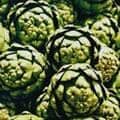
Artichokes (Cynara scolymus) are flower like vegetables with tough thick petals stemming from a central core or choke.
Health benefits of Artichokes
- Increased Protection from Bacterial and Viral Infections
- Increased Immune Function
- Reduced Cancer Risk
- Reduced Risk of Colon Cancer
- Protection Against Heart Disease
- Regulation of Blood Sugar and Insulin Dependence
- Slowing the progression of AIDS
- Slowing Aging
- DNA Repair and Protection
- Protection Against Dementia
- Alleviation of Cardiovascular Disease
- Alleviation of Hypertension (High Blood Pressure)
- Promoted Eye Health
- Alzheimer's Protection
- Osteoporosis Protection
- Stroke Prevention
- Reduced Risk of Type II Diabetes
- Reduced Frequency of Migraine Headaches
- Alleviation of Premenstrual Syndrome (PMS)
- Antioxidant Protection
- Prevention of Epileptic Seizures
- Alleviation of the Common Cold
- Prevention of Alopecia (Spot Baldness)
- Alleviation of Inflammation
Some of these health benefits come from nutrients concentrated in this food, and may not be effects of the food itself.
How to choose Artichokes
The kind of artichoke you choose depends on your plans for preparation. Younger more tender artichokes are good for sauces as more of the heart and choke can be eaten, while older larger artichokes are better if you want to eat from the petals as an appetizer with a dip.
Climate and origin
Artichokes originated in the Mediterranean and were widely cultivated by the Greeks and Romans. Artichokes grow in warm temperate to tropical climates.(zones 7-10 in the U.S.)
Taste
The part of an artichoke that is consumed is the white flesh at the bottom of each petal, and the central heart from where the petals stem. Both have a mushy texture after being cooked, and a uniquely strong pungent flavor. Artichoke is commonly eaten with lemon juice or vinegar.
Miscellaneous information
If left to grow unpicked, artichokes will bloom into beautiful large purple flowers.
Nutrition facts
| Nutrition Facts | |||
|---|---|---|---|
| Serving Size | |||
| 100 grams (100g) | |||
| Calories | 53 | ||
| % Daily Value * | |||
| Total Fat 0.34g | 0% | ||
| Saturated Fat 0.08g | 0% | ||
| Trans Fat 0g | |||
| Cholesterol 0mg | 0% | ||
| Sodium 60mg | 3% | ||
| Total Carbohydrate 12g | 4% | ||
| Dietary Fiber 5.7g | 20% | ||
| Total Sugars 0.99g | 2% | ||
| Includes --g Added Sugars | --% | ||
| Protein 2.9g | 6% | ||
| Vitamin C 7.4mg | 8% | ||
| Vitamin D 0mcg | 0% | ||
| Iron 0.61mg | 3% | ||
| Calcium 21mg | 2% | ||
| Potassium 286mg | 6% | ||
| Phosphorus 73mg | 6% | ||
| *The % Daily Value (DV) tells you how much a nutrient in a serving of food contributes to a daily diet. 2,000 calories a day is used for general nutrition advice. | |||