Plums
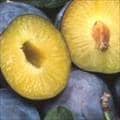
Plums (prunus domestica) are round or oval shaped fruits with a thin outer skin, mushy inner flesh, and single inner pip found in the center. Depending on type plums can range from yellow to dark red to purple.
Health benefits of Plums
- Increased Protection from Bacterial and Viral Infections
- Increased Immune Function
- Reduced Cancer Risk
- Reduced Risk of Colon Cancer
- Protection Against Heart Disease
- Slowing Aging
- DNA Repair and Protection
- Protection Against Dementia
- Alleviation of Cardiovascular Disease
- Alleviation of Hypertension (High Blood Pressure)
- Promoted Eye Health
- Alzheimer's Protection
- Osteoporosis Protection
- Stroke Prevention
- Reduced Risk of Type II Diabetes
- Reduced Frequency of Migraine Headaches
- Alleviation of Premenstrual Syndrome (PMS)
- Antioxidant Protection
- Prevention of Epileptic Seizures
- Alleviation of the Common Cold
- Prevention of Alopecia (Spot Baldness)
- Alleviation of Inflammation
- Constipation Relief
Some of these health benefits come from nutrients concentrated in this food, and may not be effects of the food itself.
How to choose Plums
Look for semi-firm plums that have a vibrant color. Avoid any plums that have discolorations. If plums have started to dry and look wrinkly, they are likely to be sweet and are often OK to buy as they are on their way to becoming prunes.
Climate and origin
There are so many different varieties of plums that it is difficult to know the exact origin. A hardy tree, plums can be grown in temperate to sub-tropical climates. (zones 4-9 in the U.S.)
Taste
Depending on variety, plums have a fragrant sweet to tart taste.
Substitutes with more vitamins
Miscellaneous information
The most popular form of plum (prunus domestica) is thought to come from a hybrid of the cherry plum (prunus cerasifera) and the sloe plum (prunus spinosa). Wide in variety, over 300 types of plums already existed during the time of the Ancient Romans.
Similar tasting produce
Nutrition facts
| Nutrition Facts | |||
|---|---|---|---|
| Serving Size | |||
| 100 grams (100g) | |||
| Calories | 46 | ||
| % Daily Value * | |||
| Total Fat 0.28g | 0% | ||
| Saturated Fat 0.02g | 0% | ||
| Trans Fat 0g | |||
| Cholesterol 0mg | 0% | ||
| Sodium 0mg | 0% | ||
| Total Carbohydrate 11.4g | 4% | ||
| Dietary Fiber 1.4g | 5% | ||
| Total Sugars 9.9g | 20% | ||
| Includes --g Added Sugars | --% | ||
| Protein 0.7g | 1% | ||
| Vitamin C 9.5mg | 11% | ||
| Vitamin D 0mcg | 0% | ||
| Iron 0.17mg | 1% | ||
| Calcium 6mg | 0% | ||
| Potassium 157mg | 3% | ||
| Phosphorus 16mg | 1% | ||
| *The % Daily Value (DV) tells you how much a nutrient in a serving of food contributes to a daily diet. 2,000 calories a day is used for general nutrition advice. | |||