Pears
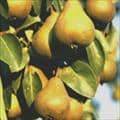
Pears (Pyrus communis) are oval shaped fruits that are wide at the bottom and grow thinner towards their stem creating a pear shape. Pears have a thin outer skin that can be green, brown, or red, with a white inner flesh and small seeds in a center core.
Health benefits of Pears
- Increased Protection from Bacterial and Viral Infections
- Increased Immune Function
- Reduced Cancer Risk
- Reduced Risk of Colon Cancer
- Protection Against Heart Disease
- Regulation of Blood Sugar and Insulin Dependence
- Slowing the progression of AIDS
- Slowing Aging
- DNA Repair and Protection
- Protection Against Dementia
- Alleviation of Cardiovascular Disease
- Alleviation of Hypertension (High Blood Pressure)
- Promoted Eye Health
- Alzheimer's Protection
- Osteoporosis Protection
- Stroke Prevention
- Reduced Risk of Type II Diabetes
- Reduced Frequency of Migraine Headaches
- Alleviation of Premenstrual Syndrome (PMS)
- Antioxidant Protection
- Prevention of Epileptic Seizures
- Alleviation of the Common Cold
- Prevention of Alopecia (Spot Baldness)
- Alleviation of Inflammation
Some of these health benefits come from nutrients concentrated in this food, and may not be effects of the food itself.
How to choose Pears
Look for vibrantly colored pairs with few discolorations. You can buy pears when very firm and allow them to ripen, pears are generally ready to be eaten when they are slightly soft to mushy.
How to store Pears
If kept in a cool dry place (like a fridge) firm pears can last for months, when brought into warmth they can ripen in days. Pears will also ripen faster when placed next to bananas.
Climate and origin
Pears originated in Europe and Asia, the climate they need to grow in depends greatly on variety with some varieties being able to stand very cold climates (Zone 2 in the U.S.) and others doing better in warm temperate climates. (Zones 6-9 in the U.S.)
Taste
Pears have a fragrant taste and can be slightly-to-very sweet, depending on variety. Most pairs can be eaten when crisp or allowed to ripen till mushy.
Substitutes with more vitamins
Miscellaneous information
The bark of the pear can be used to make a yellow dye and also contains the antibiotic arbutin.
Nutrition facts
| Nutrition Facts | |||
|---|---|---|---|
| Serving Size | |||
| 100 grams (100g) | |||
| Calories | 57 | ||
| % Daily Value * | |||
| Total Fat 0.14g | 0% | ||
| Saturated Fat 0.02g | 0% | ||
| Trans Fat 0g | |||
| Cholesterol 0mg | 0% | ||
| Sodium 1mg | 0% | ||
| Total Carbohydrate 15.2g | 6% | ||
| Dietary Fiber 3.1g | 11% | ||
| Total Sugars 9.8g | 20% | ||
| Includes --g Added Sugars | --% | ||
| Protein 0.36g | 1% | ||
| Vitamin C 4.3mg | 5% | ||
| Vitamin D 0mcg | 0% | ||
| Iron 0.18mg | 1% | ||
| Calcium 9mg | 1% | ||
| Potassium 116mg | 2% | ||
| Phosphorus 12mg | 1% | ||
| *The % Daily Value (DV) tells you how much a nutrient in a serving of food contributes to a daily diet. 2,000 calories a day is used for general nutrition advice. | |||